Choosing the right front door for Irish weather can feel overwhelming for homeowners. The debate around composite vs upvc vs. Aluminium doors in Ireland often leaves people confused and unsure. Rain, wind, cold, and moisture demand materials that offer strength, insulation, and long-term performance. Many homeowners struggle to know which option truly protects their home.
Building a comfortable home environment feels emotional, especially when weather damage and energy loss become constant worries. Drafts, condensation, and rising heating bills create daily frustration. Homeowners want warmth, security, and peace of mind. But the wrong door choice can cause long-term regret.
Irish homes face unique climate challenges. Heavy rainfall, high humidity, and strong coastal winds demand durable materials. Door performance is not just about appearance. It is about protection, insulation, and long-term reliability.
Energy efficiency has become a growing concern for Irish families. The focus on thermal efficiency doors in Ireland continues to rise each year. Homeowners want doors that reduce heat loss and lower energy bills. Comfort and cost savings now go hand in hand.
Many homeowners feel stuck between choices. Composite feels premium. uPVC feels affordable. Aluminium feels modern. But marketing claims often confuse buyers more than they help.
Uncertainty slows decisions. Doubt creates hesitation. And hesitation delays home improvements that could improve comfort and value.
Clear guidance changes everything. Understanding performance, insulation, durability, and weather resistance creates confidence. Simple explanations replace confusion. Smart choices replace guesswork.
This is where Bright Vista Group becomes more than an installer. We become a trusted guide in the decision process. Their team helps homeowners understand real performance, not marketing claims.
Bright Vista Group supports homeowners with honest advice, professional assessments, and expert installation. They match door choices to Irish weather conditions and home energy needs.
Homeowners gain clarity instead of confusion. Confidence replaces doubt. Decisions feel safe, informed, and future-focused.
 Strong doors create stronger homes. Warmth increases. Energy bills reduce. Comfort improves. Property value grows.
Choosing the right front door becomes more than a purchase. It becomes an investment in comfort, safety, and long-term living quality. With the right guidance, homeowners move forward with confidence. The right door transforms daily living. The right partner makes the journey simple.
What Is A Composite Door?
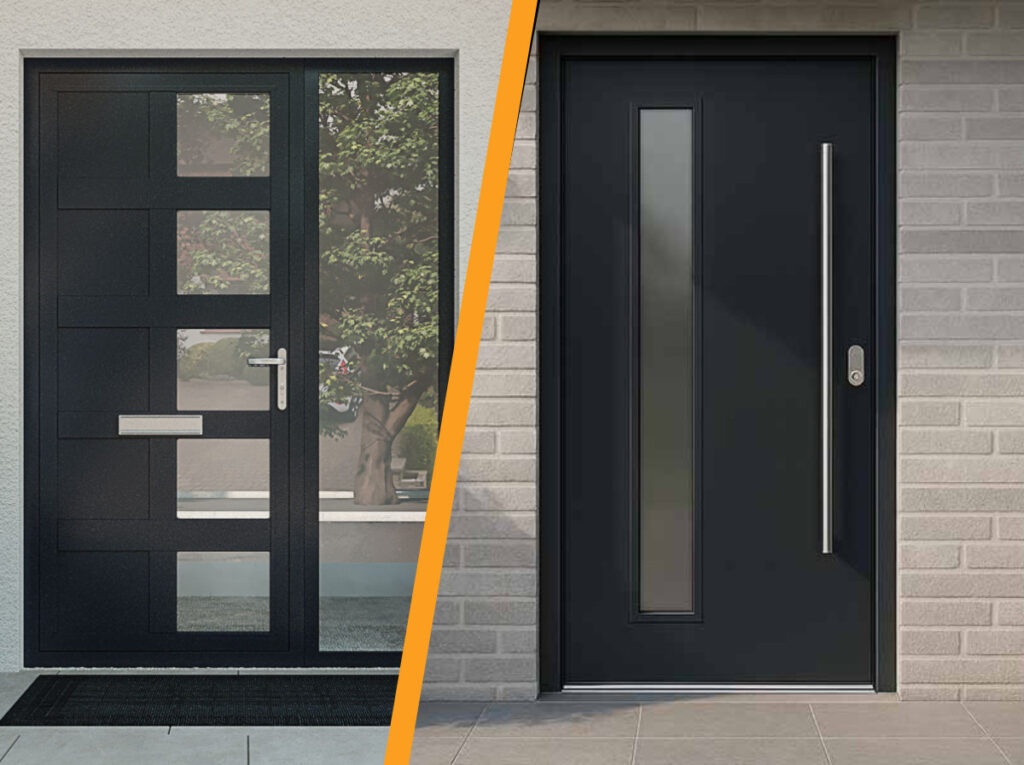
Composite doors are made from multiple materials layered together to maximise strength, insulation and durability. Typically, this includes a reinforced insulated core, GRP (fibreglass) skins, steel reinforcement and advanced locking systems. They are designed to replicate the look of timber while outperforming traditional doors in security and energy efficiency. You can learn more about te doors are here.
What Is A uPVC Door?
uPVC doors are made primarily from plastic-based frames and are often the most budget-friendly option. They are lightweight, low maintenance and widely available, but typically offer lower security and thermal performance compared to composite or aluminium alternatives.
This guide provides a clear, unbiased comparison of composite and uPVC doors, helping you decide which material is best suited to your property, lifestyle and budget.
What is Aluminium doors?
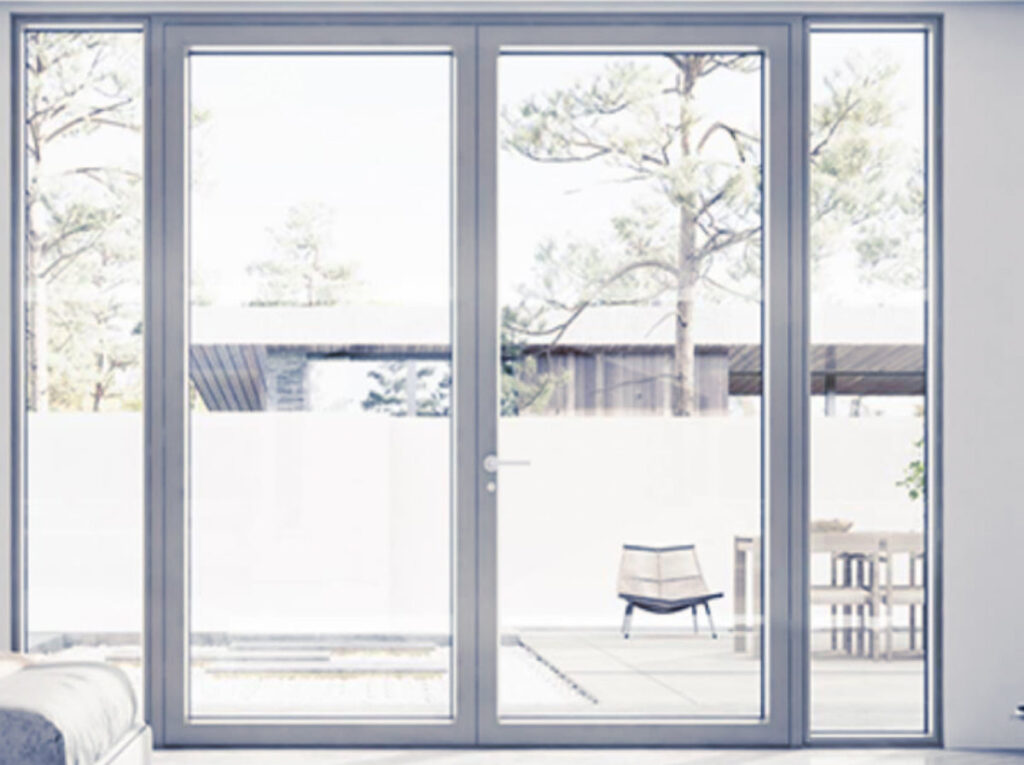
Aluminium doors are made from lightweight metal frames combined with insulated cores and reinforced glazing systems. They offer high strength, modern aesthetics, and excellent resistance to weather, corrosion, and warping. Aluminium doors are known for durability, security, and slim-frame designs that maximise natural light.
WHAT ARE THE Key Differences?
Security Performance
Security varies significantly between door types. Composite doors generally offer the highest level of security due to their solid cores, steel reinforcement and multi-point locking systems. Aluminium doors are strong by nature but rely on internal cores and locks for overall security. uPVC doors are lighter and more flexible, which can make them more vulnerable if not reinforced.
Energy Efficiency & Insulation
Energy efficiency is one of the biggest differentiators. Composite doors typically achieve the lowest U-values thanks to dense insulated cores and tight seals. uPVC doors offer reasonable insulation but generally fall behind composite designs. A well-insulated front door can significantly reduce draughts, heat loss and energy bills.
Durability & Lifespan
Composite doors are designed to withstand temperature changes, moisture and UV exposure for decades. . uPVC doors can discolour or become brittle over time, particularly on south-facing elevations.
Typical lifespan expectations:
- Composite doors: 30+ years
- uPVC doors: 15–25 years
Maintenance Requirements
All tWO door types are low maintenance compared to timber, but there are differences. Composite doors require occasional cleaning and lubrication. uPVC doors are easy to clean but may require adjustments over time as frames expand or contract.
Design, Colours & Styles
Composite doors offer the widest design flexibility, including traditional, contemporary and woodgrain effects in hundreds of colours. Aluminium doors tend to focus on minimalist aesthetics with limited colour palettes. uPVC doors often have the most restricted styling options.
Cost Comparison
Front door costs vary based on size, glazing, hardware and installation. price ranges:
- uPVC doors: £500 – £1,200
- Composite doors: £1,000 – £3,000
- Aluminium doors: £1,500 – £4,000+
Choosing between composite, uPVC, and aluminium doors can feel overwhelming, especially with so many performance claims and price differences. Homeowners often struggle to balance security, energy efficiency, durability, design, and long-term value. This is where expert guidance becomes essential, and this is where Bright Vista Group makes the difference.
- Honest Material Advice
- weprovides clear, unbiased guidance on door materials.
- we explain real-world performance instead of marketing promises.
- Home-Specific Recommendations
- we assess your property type, location, and exposure to Irish weather.
- Door recommendations are matched to real environmental conditions.
- Energy Performance Focus
- we prioritise insulation, airtightness, and thermal efficiency in every recommendation.
This helps homeowners reduce heat loss and energy bills.
- Security-Led Design Planning
- we help homeowners choose doors with strong cores, reinforcements, and modern locking systems.
- Safety is treated as a foundation, not an upgrade.
- Long-Term Value Planning
- we help homeowners think beyond upfront cost.
- Durability, lifespan, and maintenance needs are factored into every decision.
- Design Guidance Without Pressure
- Homeowners receive support choosing styles, colours, and finishes.
- Design choices align with property style and long-term resale value.
- Professional Installation Standards
- Bright Vista Group ensures doors are installed correctly and securely.
- Proper fitting protects insulation performance and structural integrity.
- Future-Proofing Advice
- we guide homeowners toward doors that meet future energy and efficiency standards.
- This protects long-term property value and compliance.
Which Door Type Is Best for Your Home?
Composite doors are best if you want:
- Maximum security
- Excellent insulation
- Long lifespan
- Traditional or modern styling
- Minimal maintenance
uPVC Doors Are Best If You Want:
- A lower upfront cost
- Simple, functional design
- Lightweight installation
Aluminium Doors Are Best If You Want:
- Modern, minimalist design
- High structural strength
- Slim frames with larger glass areas
- Strong resistance to weather and corrosion
- Long-lasting performance
- Low maintenance
- A premium, contemporary finish
Choosing windows should never be confusing. That’s why at BRIGHT VISTA GROUP, we offer:
- Expert home consultations
- Made-to-measure solutions
- Irish climate-tested products
- Professional installation
- Long-term warranties
More importantly, our team helps homeowners compare uPVC, Aluminuim and composite doors honestly, based on real needs not sales pressure.
WHAT ARE THE Environmental & Sustainability Considerations?
Sustainability is becoming a major factor in how homeowners choose front doors. Environmental impact now matters just as much as performance, security, and design. The materials used in your door directly affect energy consumption, carbon footprint, and long-term environmental responsibility.
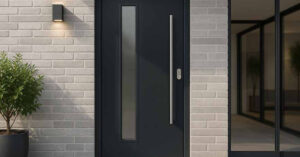 Composite doors support sustainability through high thermal efficiency. Their dense insulated cores significantly reduce heat loss, helping homes retain warmth for longer periods. This reduces reliance on heating systems, lowers household energy consumption, and decreases carbon emissions over time. The longer lifespan of composite doors also reduces material waste, as fewer replacements are needed across decades of use.
uPVC recycling is steadily improving across Ireland and Europe. Modern uPVC materials can now be recycled and reused in manufacturing new building products, supporting circular economy practices. However, older uPVC doors were produced using less sustainable processes and are harder to recycle, which creates environmental challenges. Despite this, energy-efficient uPVC doors still contribute to reduced heat loss, supporting lower energy usage in the home.
Aluminium doors offer strong environmental benefits through recyclability and material efficiency. Aluminium is one of the most recyclable construction materials in the world and can be reused repeatedly without losing structural quality. Recycled aluminium requires significantly less energy to process than newly mined aluminium, reducing overall environmental impact and carbon emissions. Aluminium doors also have long lifespans, meaning fewer replacements and less construction waste over time.
Durability plays a critical role in sustainability. Long-lasting materials reduce demand for raw resources, lower manufacturing emissions, and minimise landfill waste. A door that lasts decades contributes more positively to the environment than one that requires frequent replacement.
Energy efficiency further strengthens environmental impact. Well-insulated front doors reduce draughts, prevent heat escape, and lower heating demand throughout the year. Reduced energy consumption not only saves money but also supports national and global climate targets by cutting carbon output.
Choosing the right door is not only a design or security decision it is an environmental one. Thoughtful material selection supports sustainable living, responsible energy use, and long-term environmental protection for future generations
Here’s how Bright Vista Group guides homeowners step by step;
- Expert Material Guidance
we help homeowners select composite, uPVC, or aluminium doors that balance performance, durability, and sustainability.
Ensures every choice supports energy efficiency and long-term environmental impact.
- Energy Efficiency Focus
Bright Vista Group recommends doors with low U-values and superior insulation.
Helps reduce heat loss, lower energy bills, and minimise carbon emissions.
- Sustainable Sourcing
we prioritise products made with recyclable materials and eco-friendly manufacturing practices.
Homeowners can feel confident their doors align with modern environmental standards.
- Long-Term Value Advice
Guidance includes durability, lifespan, and maintenance considerations.
Doors are chosen to minimise replacements, reduce waste, and save resources.
- Transparent Comparisons
we explain the pros and cons of each material clearly, removing confusion from technical specifications.
Helps homeowners make confident, informed, and responsible decisions.
- Professional Installation
Ensures doors are fitted correctly to maximise insulation and performance.
Reduces energy loss and protects the long-term sustainability of your investment.
- Future-Proof Recommendations
Bright Vista Group helps homeowners choose doors that meet evolving energy efficiency and sustainability standards.
Keeps homes compliant and eco-friendly for years to come.
With Bright Vista Group, choosing a sustainable, energy-efficient front door is simple, confident, and future-ready. Homeowners gain comfort, savings, and a greener home.
Conclusion
Choosing the right front door can feel overwhelming, but the right guidance makes the process simpler and more confident. When you focus on energy efficiency, durability, and design, decisions become easier, and your home becomes safer and more comfortable.
Partner with Bright Vista Group today and take the first step toward smarter door choices, lasting comfort, and a home built to withstand Irish weather.
FAQS
which is the best material for front door?
Aluminium and steel front doors are some of the strongest and most thermally efficient options on the market. Unlike many other materials, steel and aluminium are fire-resistant, meaning they can significantly boost your home’s safety
Is a composite front door better than an uPVC door?
Composite doors tend to be the superior option, providing a more secure and energy-efficient front door. Compared to uPVC, composite doors are stronger because of the high pressure manufacturing process and quality materials used