The cost of new windows and doors in Ireland affects more than just individual homeowners. It influences landlords managing rental properties, developers planning new builds, and investors upgrading property portfolios. Across residential and commercial sectors, uncertainty around costs often delays necessary improvements and strategic decisions.
Many people turn to a window and doors cost estimator in Ireland for quick guidance. While these tools offer general insight, they rarely reflect the realities of different property types, building ages, regulatory requirements, or project scales. A detached home, apartment block, retail unit, and new development all carry different structural and compliance considerations.
Rising energy costs have intensified the urgency of window and door upgrades. Poor insulation increases operational expenses for families and reduces profit margins for landlords and business owners. Heat loss, drafts, and outdated glazing systems directly affect comfort, tenant satisfaction, and long-term property performance.
For developers and construction professionals, cost clarity is critical during early project planning stages. Windows and doors significantly influence energy ratings, compliance standards, and overall building performance. Misjudging these costs can affect feasibility studies, return on investment projections, and construction timelines.
The conversation is no longer just about replacing old frames. It is about energy efficiency, sustainability targets, and future-proofing properties against evolving building regulations. Ireland’s focus on improved BER ratings and carbon reduction has made high-performance windows and doors a strategic priority rather than a cosmetic upgrade.
Uncertainty creates hesitation across all sectors. Homeowners postpone improvements. Landlords delay upgrades. Developers adjust budgets repeatedly. Without reliable guidance, decisions become reactive instead of strategic.
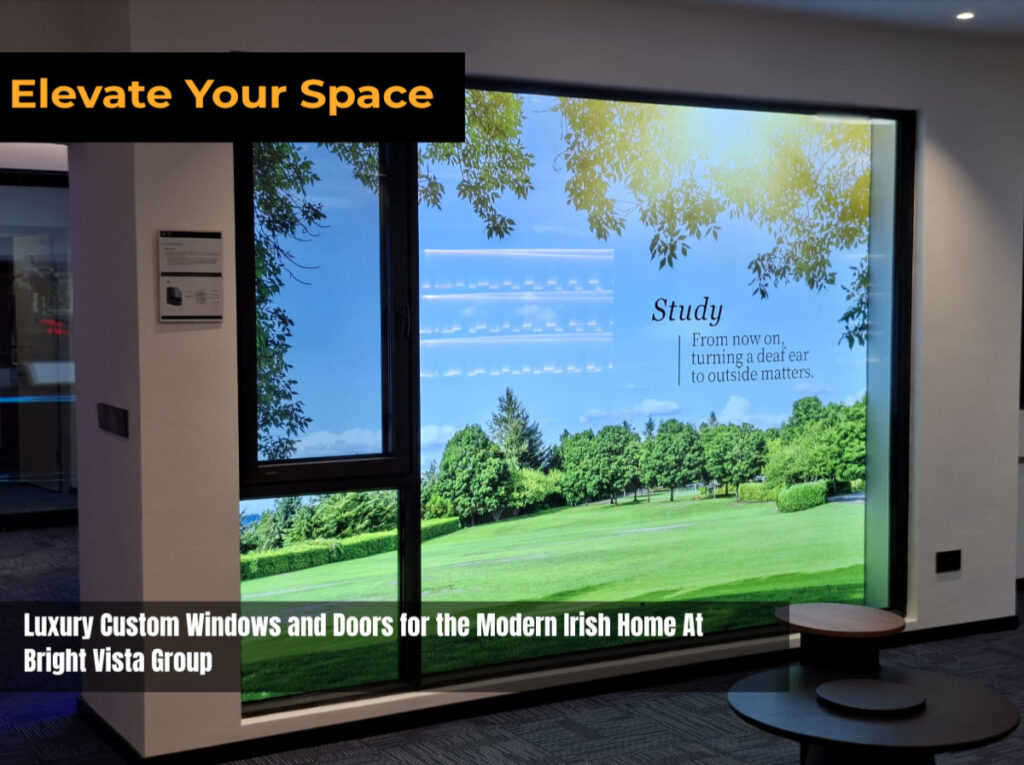
This is where Bright Vista Group stands out as a trusted solution provider across Ireland. Rather than relying on generic estimates or broad averages, their team offers tailored assessments based on property type, scale, performance goals, and compliance requirements. They understand that every project carries different financial, structural, and energy considerations.
Bright Vista Group supports homeowners, landlords, and developers with transparent cost breakdowns and performance-focused recommendations. Their approach prioritises long-term value, regulatory alignment, and energy efficiency rather than short-term pricing comparisons. Professional installation standards ensure that investments translate into measurable comfort, durability, and compliance outcomes.
By combining technical expertise with practical budgeting insight, we remove uncertainty from the decision-making process. Clients gain clarity on realistic investment levels, project timelines, and expected performance benefits before committing resources.
When cost awareness is paired with expert guidance, projects move forward confidently. Whether upgrading a single residence or managing a multi-unit development, working with the right partner transforms cost concerns into structured, future-focused investment decisions.
Choice of framing material
The material you select for your frames and entryways has a significant impact on overall cost, performance, and long-term maintenance. From composite and timber to aluminium or modern frameless designs, the basic makeup of your frames largely determines your budget and durability expectations.
 uPVC (Unplasticised Polyvinyl Chloride) is widely available across Ireland and is the most cost-effective option for many projects. It provides strong thermal performance, durability, and low maintenance. While standard uPVC is budget-friendly, premium recyclable options are also available for those seeking long-term sustainability and higher durability.
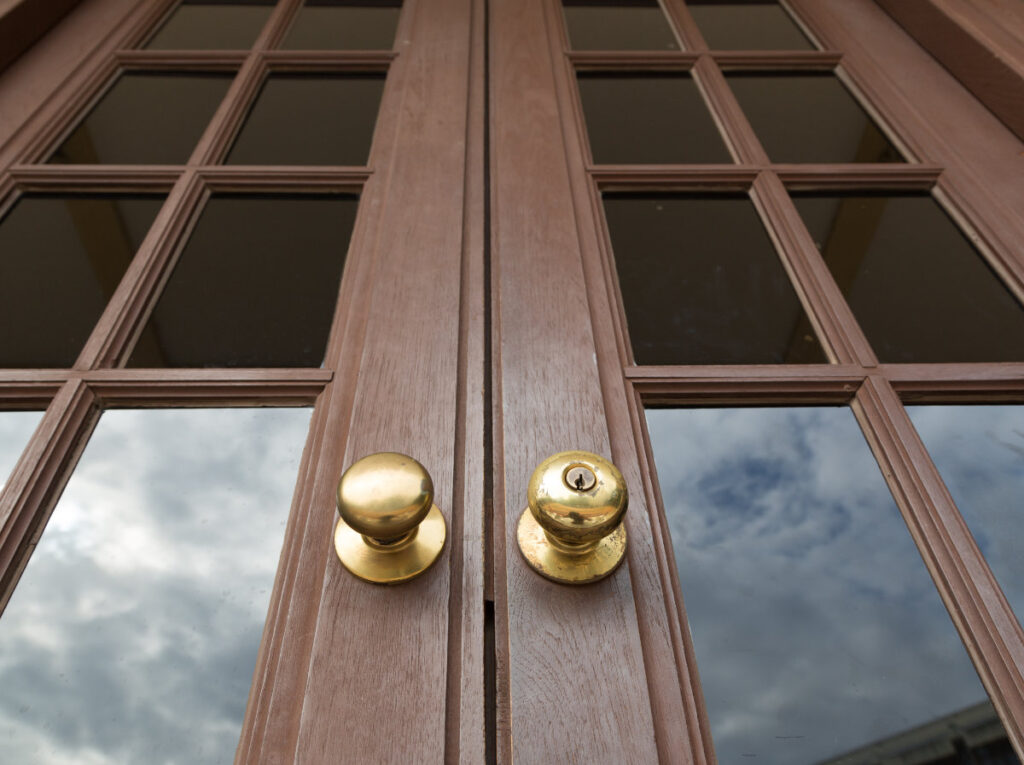
Timber frames vary widely depending on wood type and style. High-end sliding sash or hardwood units can cost significantly more per square metre, while softwood, finger-jointed casement units remain more affordable. Timber frames offer classic aesthetics but require ongoing maintenance, which should be factored into long-term costs.
Aluclad frames, combining aluminium exteriors with timber-look interiors, offer durability without the maintenance demands of traditional timber. Widely available now, these frames balance visual appeal and longevity. Units with aluminium exteriors paired with uPVC interiors are also a more budget-friendly alternative.
Aluminium frames are strong, lightweight, and ideal for large openings or modern designs. They allow for slim profiles, clean lines, and extensive glazing. While they tend to be more expensive and less widely available, aluminium systems are ideal for contemporary homes, commercial properties, and architecturally ambitious projects.
Other considerations also affect cost. Frame orientation whether inward or outward opening can impact both installation complexity and functionality. Outward-opening units are common in Ireland, while inward-opening or tilt-and-turn designs are often used for ventilation and easier cleaning.
Finally, selection of hardware handles, locks, childproof mechanisms, and finishes—can influence the total price. Standard manufacturer options are typically the most cost-effective, while custom hardware adds to the investment.
Choosing the right framing material ensures the frames and entryways are secure, energy-efficient, and suited to the property’s style, climate, and long-term maintenance expectations.
Size and Design Considerations
 Material choice is often influenced by the size and design of your frames and entryways. Traditionally, most units were limited to a maximum height of 2250mm, leaving small gaps between the top of the unit and the ceiling in standard 2400mm floor-to-ceiling properties.
In recent years, the growing use of architects on domestic projects has increased the popularity of full floor-to-ceiling glazed units, sometimes reaching heights of 2700mm or more. Many manufacturers cannot produce single units of this size due to production limits or the weight of the glass. To achieve these designs, units are often combined, such as placing a window panel above a door.
However, combined units can create thick visible frames, which is why designers and architects often prefer aluminium solutions. Aluminium can support large, unobstructed glass panels while maintaining structural integrity and clean aesthetics.
Width also impacts material choice. Large sliding doors and expansive glazed screens are often limited in uPVC and timber, whereas aluminium offers wider spans and slimmer profiles without compromising strength.
Window operation styles have remained relatively traditional, with sash, sliding sash, and casement designs dominating the market. Tilt-and-turn windows are a notable modern addition, offering improved ventilation and easier cleaning.
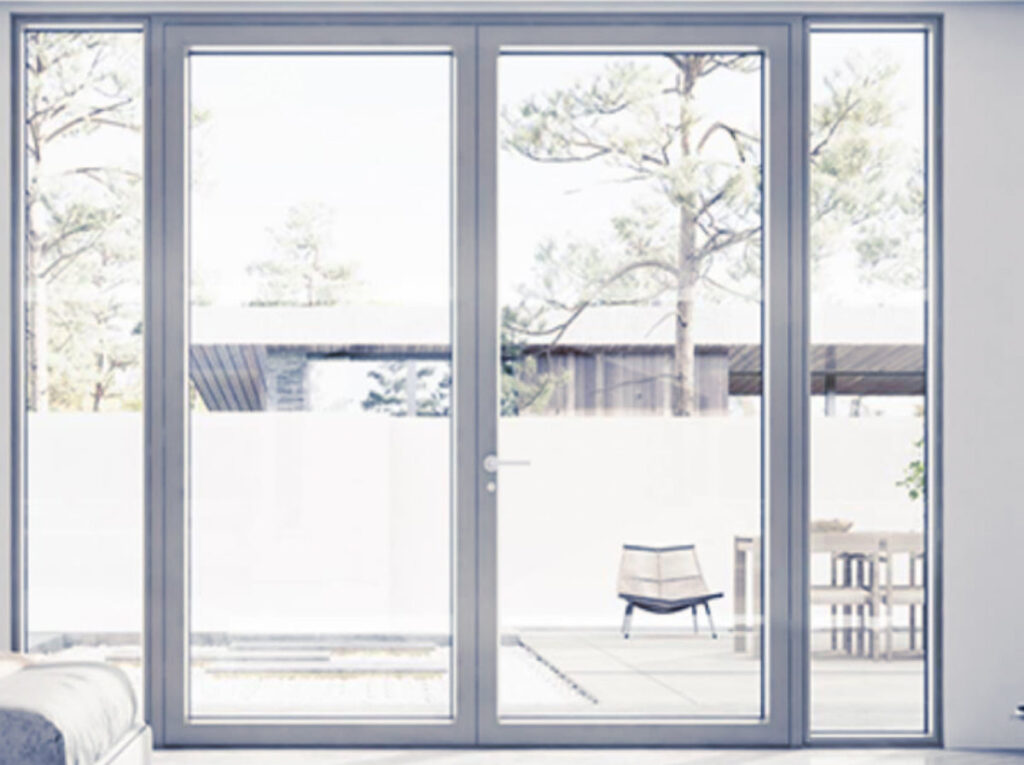
Door designs, by contrast, have evolved significantly. Options now include single doors, doors with sidelights, double doors, French doors, sliding doors, bi-folding systems, and concertina arrangements. Larger or complex doors, especially aluminium sliding or bi-folding systems, carry higher costs that can reach five-figure sums for premium installations.
Because size and design directly impact cost, it is crucial to consider these factors during early planning stages. Budgeting based solely on average prices per square metre or per unit can be misleading, especially for large homes or high-specification projects.
Factoring in design complexity, material limitations, and operational requirements early ensures your frames and entryways deliver both aesthetic appeal and long-term functionality without unexpected financial surprises.
The Choice of Materials Used
The material used for your openings and entryways greatly influences overall cost, performance, and lifespan of your investment.
uPVC options are typically the most affordable and remain popular for their low maintenance and practical insulation properties. Aluminium frames and entrances, known for their sleek appearance, slim profiles, and long-term durability, usually involve a higher upfront investment. Composite entry systems also sit within a premium range due to reinforced cores and enhanced security features.
Each material offers distinct advantages in terms of aesthetics, strength, thermal efficiency, and maintenance requirements. The right choice depends on your budget, property style, and long-term performance expectations.
For more guidance, explore our recent article where we break down the key characteristics, benefits, and performance differences of each material in greater detail.Energy efficiency ratings and glazing options
While windows with higher energy efficiency ratings and stronger glazing will improve comfort and reduce long-term heating costs, they will cost more initially.
If you’re considering options like triple glazing, Low-E coatings, or gas-filled panes, the extra upfront cost is often modest. For a standard unit, it might add around €100, while higher-end units could see an increase of €200 or so.
Upgrading your frames and entryways to triple glazing from the start is a smart decision. Triple-glazed installations provide significantly better insulation, improved thermal efficiency, and long-term energy savings. Over time, the initial investment can pay for itself through lower heating costs and a more comfortable indoor environment.
Custom vs. Standard Sizing
Custom-made frames and entryways are typically more expensive because they require tailored manufacturing and precise installation. Standard-sized options are generally more affordable and faster to fit. If your property can accommodate standard dimensions, you are likely to save on both material costs and labour. Choosing standard sizes can simplify the project while still improving insulation, security, and overall comfort.
The Number of Openings Being Replaced
Replacing multiple frames and entryways can reduce the cost per unit because of bulk discounts and supplier incentives. However, the total project cost naturally increases with more units. Larger-scale upgrades often benefit from economies of scale, which can slightly lower the average cost per installation. Planning multiple replacements together can improve efficiency, reduce labour charges, and optimise material usage without compromising quality or performance.
Complexity of Installation and Access
Properties with difficult access, upper-storey openings, or older fittings may require extra labour, scaffolding, or specialist equipment. Such conditions can slow installation and necessitate additional safety measures to protect both workers and the property.
Labour and Fitting Costs
Hiring experienced professionals for frames and entryways may cost more upfront but ensures correct installation and long-term performance. Skilled installers help maximise energy efficiency, secure fitting, and structural integrity. Their expertise reduces future maintenance, prevents avoidable issues, and makes the higher initial investment worthwhile for quality, reliability, and peace of mind
Choosing the right frames and entryways can feel overwhelming. With so many materials, sizes, designs, and energy-efficiency options, homeowners, landlords, and developers often struggle to plan budgets confidently. Mistakes can be costly, affecting comfort, security, and long-term property value.
Their expertise helps property owners make informed, cost-effective, and performance-focused decisions, ensuring every installation delivers lasting benefits. Here is a guide on how we help make the right decision
Tailored Material Guidance : we assesse your property and recommends the ideal material uPVC, aluminium, timber, or composite—based on aesthetics, durability, and thermal efficiency.
Accurate Cost Planning : Using verified data and real project experience, we provides detailed cost estimates, including installation and optional upgrades.
Energy Efficiency Optimization : They identify opportunities for triple glazing, Low-E coatings, and gas-filled panes to maximise thermal efficiency and long-term energy savings.
Custom vs. Standard Sizing Advice : Bright Vista advises when custom sizing is necessary versus standard units, balancing cost, performance, and design intent.
Project Coordination for Multiple Units: For large-scale replacements, we plan bulk installations efficiently, reducing labour costs and installation time while maintaining high-quality standards.
Installation Expertise and Safety :our certified installers handle challenging access points, upper-storey units, and older fittings with the right equipment and safety measures.
Hardware and Finishing Guidance : we ensure you select functional, durable handles, locks, and childproof mechanisms that complement style and performance.
Long-Term Maintenance Planning :They provide recommendations on care for timber, uPVC, composite, or aluminium frames to extend lifespan and prevent costly repairs.
Upgrading your frames and entryways doesn’t have to be stressful or uncertain. With the right guidance, you can balance style, efficiency, and long-term value.
Conclusion
Partnering with Bright Vista Group ensures expert advice, reliable installation, and smart investment decisions. Take the first step today to make your property warmer, more secure, and energy-efficient, with confidence in every choice.
FAQS
How much do doors cost in Ireland?
Door replacement varies: standard uPVC doors average €800–1600; timber runs €1600–3,000; composite costs €2,000–5,000+; high-end models can reach €3,500 or more. Installation fees depend heavily on project complexity, window/door quantity, and property location
How Much Should I Pay to Have Windows Installed?
Price Breakdown
Window Type Price per Window (Materials) Installation Cost
Single-Hung $200 – $600 $150 – $250
Double-Hung $300 – $800 $200 – $300
Casement $400 – $1,000 $250 – $350
Bay/Bow $1,200 – $4,000 $500 – $1,000